November 28, 2026
Which outdoor seating makes reading outside comfortable?
By @thepationotebook
The best seating for reading outdoors is a supportive chair or lounge that lets you sit upright, keep your shoulders relaxed, and hold a book or tablet at a comfortable angle. A deep chaise feels pleasant in warm sun, but it is not always the best choice for long reading sessions. For most patios, a cushioned chair with a high back, a stable armrest, and a small side table within reach is the most practical starting point. Add shade, a footrest, and a surface for drinks, and ordinary patio lounge furniture becomes a proper reading spot.
Start with posture, not appearance
Outdoor seating often looks inviting but fails once you sit for more than a few minutes. Reading asks for a different kind of comfort than dining or sunbathing. The back needs to support the spine without pushing the shoulders forward. The seat should be deep enough to give the thighs some support, yet not so deep that the lower back loses contact with the backrest. A useful check is to sit with your hips toward the rear of the seat and see whether the backrest meets your upper back without forcing you to perch on the edge.
Armrests matter more than many people expect. They let the forearms rest while holding a book, which reduces tension in the neck and hands. If the arms are too high, the shoulders lift. If they are too low, the body slumps to reach them. The right height lets the elbows bend comfortably while the hands stay near waist level. For readers who use an e-reader or tablet, arm support also makes it easier to keep the screen steady.
Seat height is another quiet factor. Feet should rest flat on the ground, or on a footrest, with the knees bent at a comfortable angle. When the seat is too low, standing up can feel like effort. When it is too high, the feet may dangle and the legs tire. Resin furniture can work well here because many pieces are designed for regular outdoor use and are easy to pair with matching ottomans or footrests.
Choose the seat shape to match the way you read
There is no single best form for every reader. The right choice depends on whether you prefer short sessions in bright sun, long afternoons in shade, or a quiet corner where you can sit upright with a cup of tea nearby.
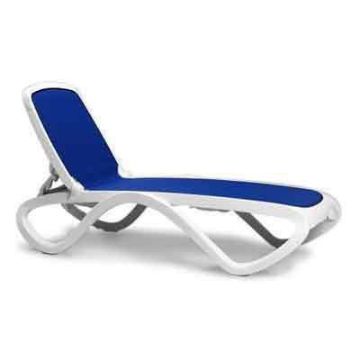
A chaise lounge suits relaxed reading when the back can be raised enough to support the head and shoulders. A flat chaise may be fine for sunbathing, but it usually encourages slouching when reading. Look for an adjustable back, a broad seat, and a frame that stays steady when you shift position. A chaise with wheels or a light build may be easy to move, but it can also slide on smooth paving. Pairing it with a textured outdoor mat can help it feel more planted.
Traditional slanted seats have a different appeal. outdoor Adirondack chairs give the body a reclined angle and a wide base, which can feel calm and sheltered on a deck or garden path. Their long arms are useful for resting a book, though the seat angle may not suit people who like to lean forward or work with a notebook. A cushion can soften the seat, but it should not be so thick that it makes the back angle awkward. In shaded corners, outdoor Adirondack chairs can be a good fit for unhurried reading, especially when paired with a small table at the side.
A garden bench can work well in a compact space, particularly along a railing or against a hedge. It gives room to stretch out, but back support varies widely. A bench with a slightly angled back and a slatted seat is often firmer than a deep armchair. That firmness can be welcome if you like sitting upright, though a cushion may be needed for longer sessions. A porch swing has a gentle motion that some readers enjoy, but it may not suit tasks that need a steady surface, such as marking pages or using a tablet.
Think about shade, light, and glare
Comfort is not only about the chair. Reading outdoors changes with the position of the sun, the brightness of the paving, and the reflection from nearby walls. A seat that feels perfect in the morning may be uncomfortable later in the day. The best reading spot usually has shade for part of the day and enough light to see the page without strain.
Place seating where the sun is behind or to the side rather than directly in front of the page. Glare on a screen can be reduced by changing the angle of the chair or adding an umbrella. If an umbrella is used, check that the pole does not interfere with the seating area and that the base is heavy enough for the setting. In exposed spaces, a canopy or pergola can create a steadier reading environment than moving furniture through the day.
Surface color also plays a part. Pale stone, light concrete, and white walls can bounce light into the eyes. Darker pavers may absorb heat and make the seating area warm underfoot. A rug designed for outdoor use can define the reading zone and reduce glare from the ground, while also making the space feel settled. It should lie flat, with edges that do not catch feet.

Add the pieces that make reading easy
A good reading seat rarely works alone. A side table keeps a book, drink, phone, or reading glasses close without balancing everything on the arm. Ideally, the tabletop sits near armrest height. It should be wide enough for the items you actually use and heavy enough to resist a light bump. Resin tables are a practical match for resin chairs because their surfaces are generally easy to keep clean outdoors.
An ottoman gives the legs somewhere to rest and can turn a chair into a longer lounging spot. It also creates a flexible extra seat when someone else joins. If the ottoman is used as a footrest, leave enough space so the knees are not pressed against the chair edge. For compact patios, a small stool or low table may do the same job without taking as much room.
Cushions can improve comfort, but they need care outdoors. Choose fabric meant for exterior use, and make sure it dries after rain. A cushion that stays damp will feel unpleasant and may develop mildew. Outdoor covers can help during wet spells, though furniture should be dry before being covered. In windy spots, loose cushions can blow around, so consider ties or store them when not in use.
Material and climate should guide the final choice
Resin furniture is a common fit for patios because it can stay outside through ordinary seasonal use and does not need the same routine as indoor wood. It is available in chairs, chaise lounges, benches, dining sets, swings, and tables, which makes it easier to build a reading area that matches the rest of the space. The main points to check are stability, smooth edges, and whether the piece feels comfortable with or without a cushion.
In hot climates, dark frames and dense cushions can hold heat. Lighter colors may feel cooler, though they can show dirt more easily. In coastal areas, metal hardware and fittings deserve a closer look, since salty air can be harsh on some materials. In places with heavy rain, choose pieces with open designs that shed water rather than collect it in seams or hollow areas.
Storage is another practical consideration. Even durable outdoor furniture lasts better when it is not dragged across rough paving or left under falling debris. Stackable chairs are useful where seating needs to be cleared away quickly. A bench or fixed lounge may suit a quiet corner that stays in place all season.
Match the seat to the reader
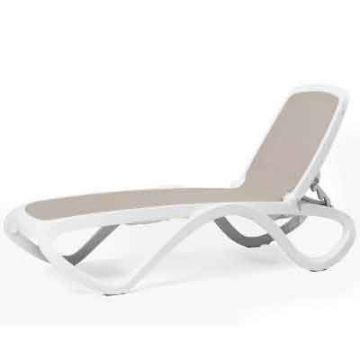
For long reading sessions, an upright outdoor chair with a supportive back, steady arms, and a footrest is often the safest choice. For sunny afternoons, an adjustable chaise with a raised back can feel relaxed without causing the reader to slide down the seat. For a shaded garden corner, a wide slanted seat can create a quiet place to pause. The best arrangement is the one that keeps the body still enough to focus while the surroundings remain pleasant.
Before settling on a set, think about who will use it and how. A reader with limited mobility may need a higher seat and firm arms. Someone who likes to take notes may want a flat writing surface nearby. A person who reads mostly in the evening may care more about shelter from wind than midday shade. Good patio lounge furniture does not need to be elaborate, but it should make the simple act of sitting down with a book feel easy.
❧